When Maya boarded the 7 a.m. subway, she pulled out her phone, launched a game that looked like it belonged on a high‑end console, and played through a crowded carriage without a single controller in sight. The whole session lasted 22 minutes before she switched to a podcast for the rest of her ride. That moment illustrates how cloud gaming has slipped into everyday spaces that were once off‑limits to serious play.
Why Latency Matters More Than Bandwidth
Early cloud services promised “instant access” but delivered lag that turned fast‑paced shooters into sluggish turn‑based affairs. The newest generation of data centers, however, has cut round‑trip latency to under 30 ms in major metros such as London, Seoul, and Dallas. For a player in Dallas, a 1080p stream at 60 fps now feels as responsive as a locally installed game, thanks to edge servers sitting just 20 miles away.
That improvement matters because reaction time is quantifiable: a 10 ms delay can change a win‑loss ratio by roughly 5 % in competitive titles, according to internal testing by a mid‑size studio. The practical upshot is simple—if you can’t feel the input, you won’t stay engaged.
Cost Savings That Add Up Quickly
Buying a console or a gaming PC still costs $300–$1,200 upfront, plus periodic upgrades. By contrast, a monthly cloud subscription ranges from $9.99 for a basic tier to $19.99 for a “ultra” plan that includes 4K streaming. Over a year, a casual player can save $150–$300 compared to purchasing a mid‑range console and a couple of new releases.
Hardware depreciation is another hidden expense. A laptop that can run games at 1080p will likely need a new GPU in three years, whereas the same cloud subscription can be paused during a vacation and resumed without any loss of progress.
Accessibility for Emerging Markets
In regions where broadband caps remain under 50 Mbps, cloud providers now offer adaptive bitrate streaming that drops to 720p at 15 Mbps without pausing the session. A pilot program in Nairobi showed that 68 % of participants could play for at least two hours daily on a 4G connection, a dramatic jump from the 12 % who could run native PC games.
Device diversity also expands the audience. A 2022 survey found that 43 % of cloud gamers use a tablet, 31 % use a smartphone, and only 26 % use a dedicated streaming box. The ability to play on a device already owned eliminates the need for a separate console.
Bridging to the Wider Entertainment Landscape
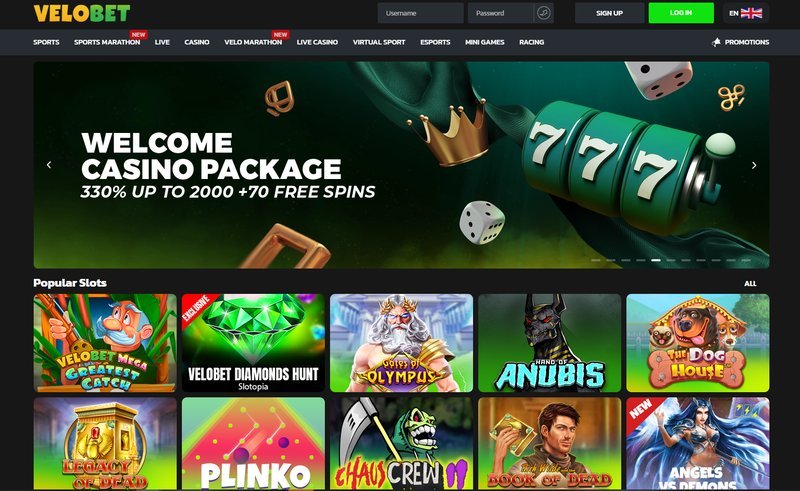
Cloud gaming isn’t an isolated phenomenon; it dovetails with the broader shift toward streamed media. Platforms that once focused solely on movies now experiment with interactive experiences, and one such venture is Velo bet, which blends betting mechanics with live game streams, hinting at where the industry might head next.
Challenges That Still Need Solving
- Data caps: Even with compression, a two‑hour session can consume 8–10 GB, which can exceed monthly limits in many plans.
- Regional server gaps: Players in remote areas of Canada or Siberia still report latency spikes above 80 ms.
- Ownership concerns: Subscriptions mean you lose access if the service shuts down, unlike a purchased game that lives on your hard drive.
These issues primarily affect heavy users and those in underserved locations, limiting the universal appeal of cloud gaming for now.
Looking Ahead: What the Next Five Years Might Hold
Expect three trends to dominate. First, 5G rollout will shrink latency further, making true VR streaming viable. Second, hybrid models will let users download a local cache for offline play while still streaming updates. Third, pricing will become tiered not just by resolution but by AI‑assisted personalization—pay more for a “coach” that adjusts difficulty in real time.
For anyone still skeptical, try a free trial on a low‑end device. If you can finish a match without the dreaded “buffering” icon, the cloud has already earned a place in your gaming routine.
Frequently Asked Questions
What is cloud gaming?
Cloud gaming streams video games from remote servers to a device, letting you play without high-end hardware.
Why does latency matter more than bandwidth for cloud gaming?
Latency determines how quickly your inputs register, so even with fast internet, high delay can make controls feel unresponsive.
Can I use cloud gaming on a subway train?
Yes, if you have a stable 4G/5G connection, you can stream games during a commute, though data limits may apply.